Connect this guide with the rest of your visit in the Milan trip planner. Read how the research is made and what its sources establish.
At a glance
Start here
- Read the theatre as an institution founded in 1778, not only as a decorated hall.
- Use the museum to connect objects with artists, productions, and audiences.
- Use an Ansaldo visit to understand the labor behind the stage image.
- Buy performances only through La Scala’s stated official channels.
01
The theatre began with loss and replacement
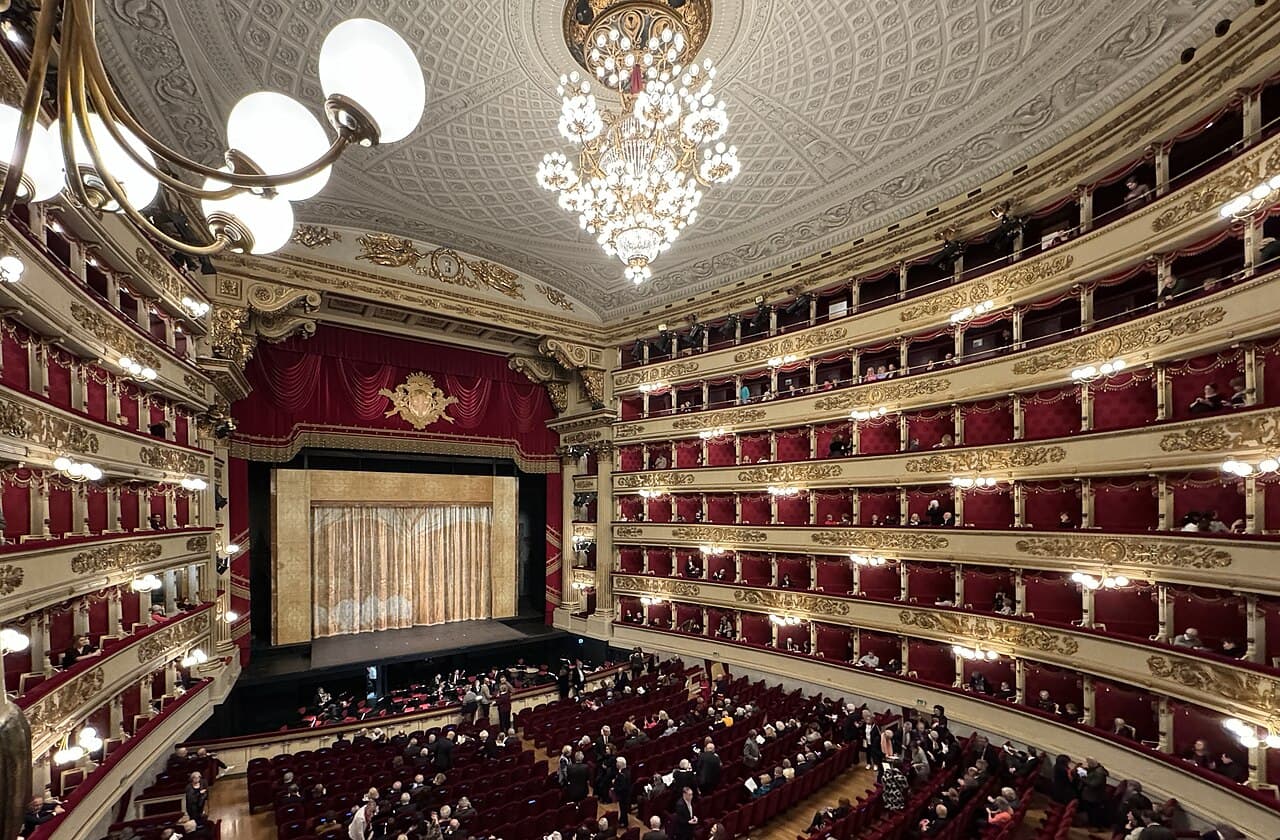
La Scala’s official timeline begins with the fire that destroyed Milan’s Royal Ducal Theatre in 1776. The new theatre was created under Maria Theresa of Austria, designed by neoclassical architect Giuseppe Piermarini, and named for the church of Santa Maria alla Scala that had occupied the site. It opened on 3 August 1778 with Antonio Salieri’s Europa riconosciuta.
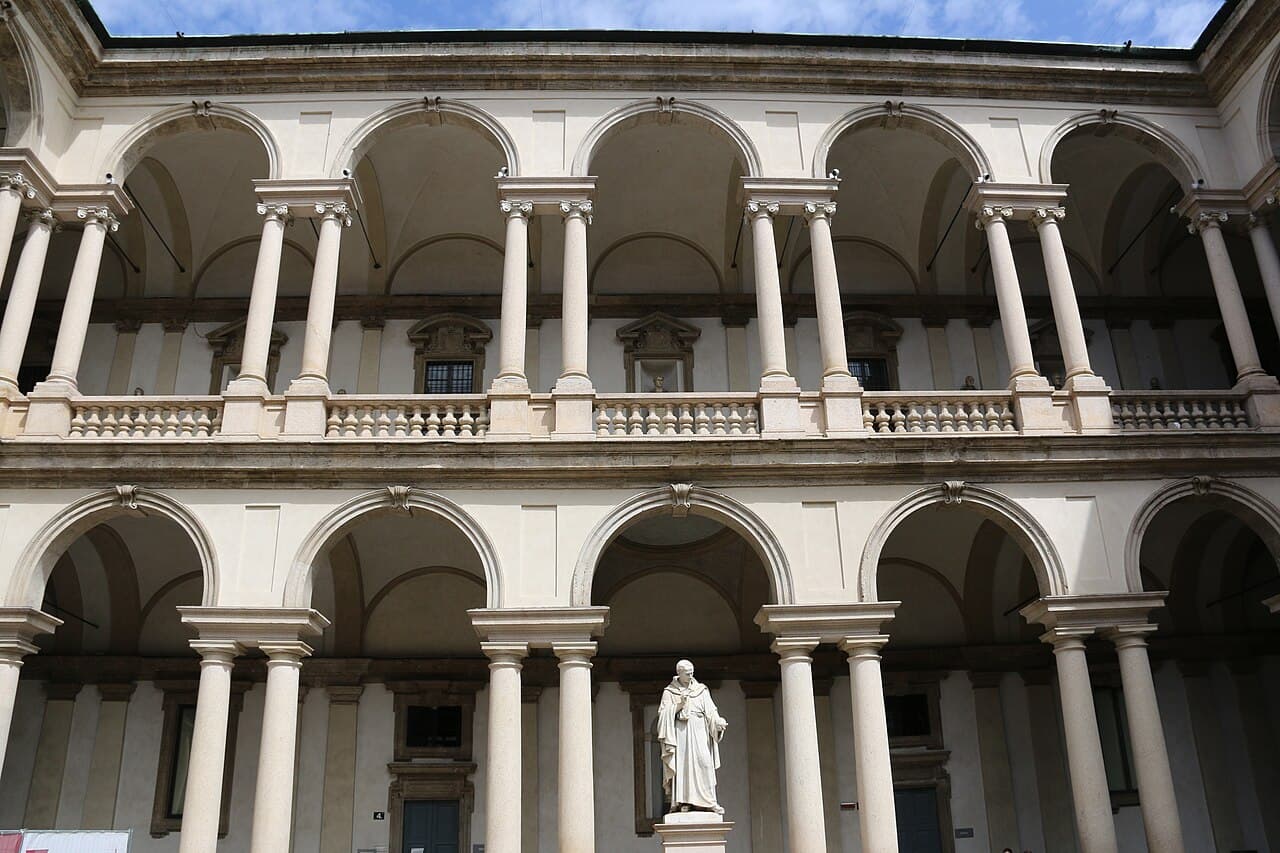
This origin reframes the façade. Its measured exterior was part of a new civic and theatrical arrangement funded through box ownership, not a freestanding monument conceived only for tourists. Before entering the museum, spend a moment between Piazza della Scala and the building, thinking about the relationship between public square, social arrival, boxes, stage, and city authority.
- Connect the name to Santa Maria alla Scala.
- Notice the restrained neoclassical exterior before the ornate interior image.
- Treat the opening date as the start of an evolving institution.
02
Read the timeline through changing artistic power
The theatre’s timeline moves from Rossini, Bellini, Donizetti, and Verdi to Toscanini, Callas, Abbado, Muti, and later institutional change. It shows that La Scala’s reputation was repeatedly remade through repertory, interpretation, artistic direction, rebuilding, and the relationship between opera, ballet, concerts, and audiences.
Choose two moments rather than trying to memorize every celebrated name. Verdi’s Nabucco in 1842 can open a question about opera and public identity. Toscanini’s reforms can open another about the modern conductor and institution. A timeline becomes meaningful when it reveals changes in practice, not when it is used as a roll call of fame.
- Choose one nineteenth-century and one twentieth-century turning point.
- Ask how repertory and organization changed together.
- Use the museum to find objects connected with those moments.
03
The museum turns performance into material evidence
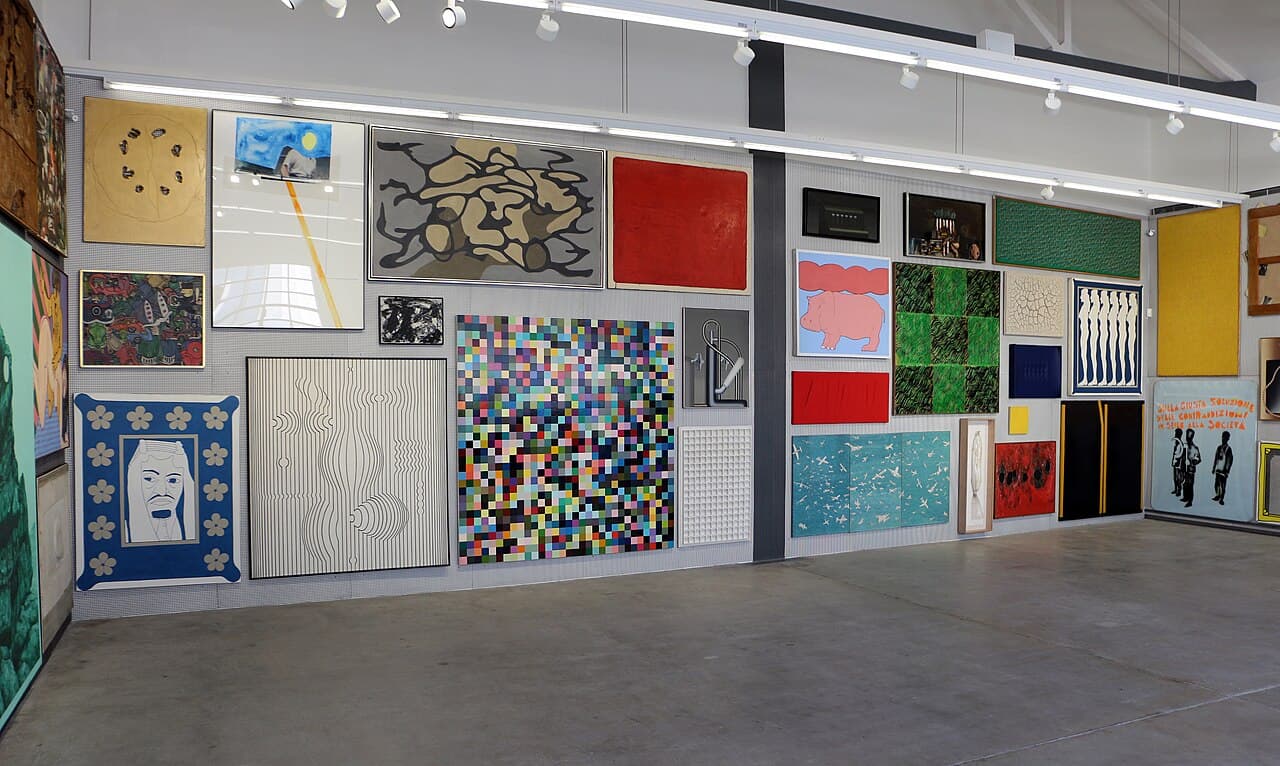
The Museo Teatrale opened in 1913 after the acquisition of the Jules Sambon Collection and later expanded with paintings, musical instruments, and other theatrical objects. Its official app organizes the material through several routes, including a complete room-by-room tour, shorter thematic selections, a young-visitors treasure hunt, and a fifty-object museum-treasures route.
Use those objects to ask what remains after a performance ends. Portraits construct celebrity; instruments record changing sound worlds; costumes and documents preserve craft and administration. The museum is not the performance itself, but it makes the theatre’s networks visible. Select an app route that fits your attention rather than assuming the longest option is automatically the most serious.
- Choose an app itinerary before starting.
- Connect objects with production, labor, and audience history.
- Do not assume the auditorium view is available throughout the day.
04
Ansaldo reveals the city behind the stage
Since 2001, La Scala’s workshops have occupied a former Ansaldo industrial site. The official description gives the scale as 20,000 square metres across three pavilions and lists set design, sculpture, thermoforming, carpentry, mechanics, assembly, costume work, laundry, chorus rooms, and a rehearsal stage corresponding to the Piermarini stage.
The workshops hold more than 60,000 stage costumes and bring together more than 150 workers across many skilled trades. These numbers matter because they disrupt the myth of theatre as a few stars appearing spontaneously under lights. A set begins as a sketch and becomes an object through coordinated industrial, artistic, and textile labor.
- Look for transitions from drawing to full-scale construction.
- Notice the overlap of industrial and artisanal methods.
- Treat costumes as maintained working assets, not only display pieces.
05
Choose among three different La Scala visits
A performance is time-specific and governed by the season calendar and ticket rules. A museum visit is collection-led and may include a view from a box only at certain moments. An Ansaldo visit is a separate guided backstage experience at another site. Combining their information creates a fuller picture, but they are not interchangeable tickets or guaranteed add-ons.
Choose by curiosity. Attend a performance for live interpretation and audience ritual. Visit the museum for history and objects. Visit Ansaldo for production processes and skilled work. If combining them, verify locations, durations, language, and entry requirements directly. A museum ticket should never be assumed to include a workshop, and a hall view should never be promised.
- Treat theatre, museum, and workshops as separate bookings.
- Check whether the historical hall is visible during the intended museum slot.
- Allow travel time to the Ansaldo site.
06
Use official channels and current conditions
La Scala states that performance tickets are sold through its official online channel and box office, with sales beginning according to a published calendar. The same official overview links the live performance calendar, museum information, and museum booking. This separation helps visitors avoid confusing a tour product with a performance seat.
Check the exact cast, date, sales opening, ticket conditions, museum hall visibility, and workshop availability before paying. Do not repeat prices or hours from this article; they are mutable. For a museum-only visit, confirm whether the auditorium can be seen at your time. For Ansaldo, use the linked guided-visit information rather than traveling to the workshops without a confirmed tour.
- Start from La Scala’s official website.
- Match the confirmation to the exact product and location.
- Recheck operational notices shortly before arrival.
Useful answers
Reader questions
Can I experience La Scala without a performance ticket?
Yes. The theatre museum and separately booked Ansaldo workshop visits offer different ways to understand the institution. Current museum access, hall visibility, and workshop tours must be verified on the official pages.
Sources: Teatro alla Scala; Teatro alla Scala; Museo Teatrale alla ScalaIs the La Scala auditorium always visible from the museum?
No. La Scala states that the historical hall is visible from a box only at some moments of the day. Check the museum’s current visibility information for your intended visit.
Sources: Teatro alla ScalaWhat happens at the Ansaldo Workshops?
They house work on sets, sculpture, carpentry, mechanics, assembly, costumes, laundry, and rehearsals. Public access is through designated guided visits, which should be booked and confirmed separately.
Sources: Teatro alla ScalaWhere should I buy a La Scala performance ticket?
Use only the official online channel or box office identified by Teatro alla Scala, and follow its published sales calendar. The theatre says unauthorized resellers are not official ticket channels.
Sources: Teatro alla ScalaRead the evidence
Sources and further reading
These sources support the relevant sections above. Plans and comparisons are editorial suggestions. Check operators for current arrangements.
- History timeline ↗Teatro alla Scala · Research date 14 September 2026
1776 fire, Piermarini design, 1778 opening, major artistic milestones, institutional reform, restoration, and modern production history.
- Official ticket office: how to purchase tickets ↗Teatro alla Scala · Research date 14 September 2026
Official sales channels, live calendar, museum booking, and conditional visibility of the historical hall.
- Ansaldo Workshops ↗Teatro alla Scala · Research date 14 September 2026
Former industrial location, workshop scale, three pavilions, production crafts, costume holdings, workforce, rehearsal spaces, and guided visits.
- Museum app ↗Museo Teatrale alla Scala · Research date 14 September 2026
Museum founding in 1913, Jules Sambon Collection, collection types, multilingual audio guide, thematic routes, and young-visitor itinerary.