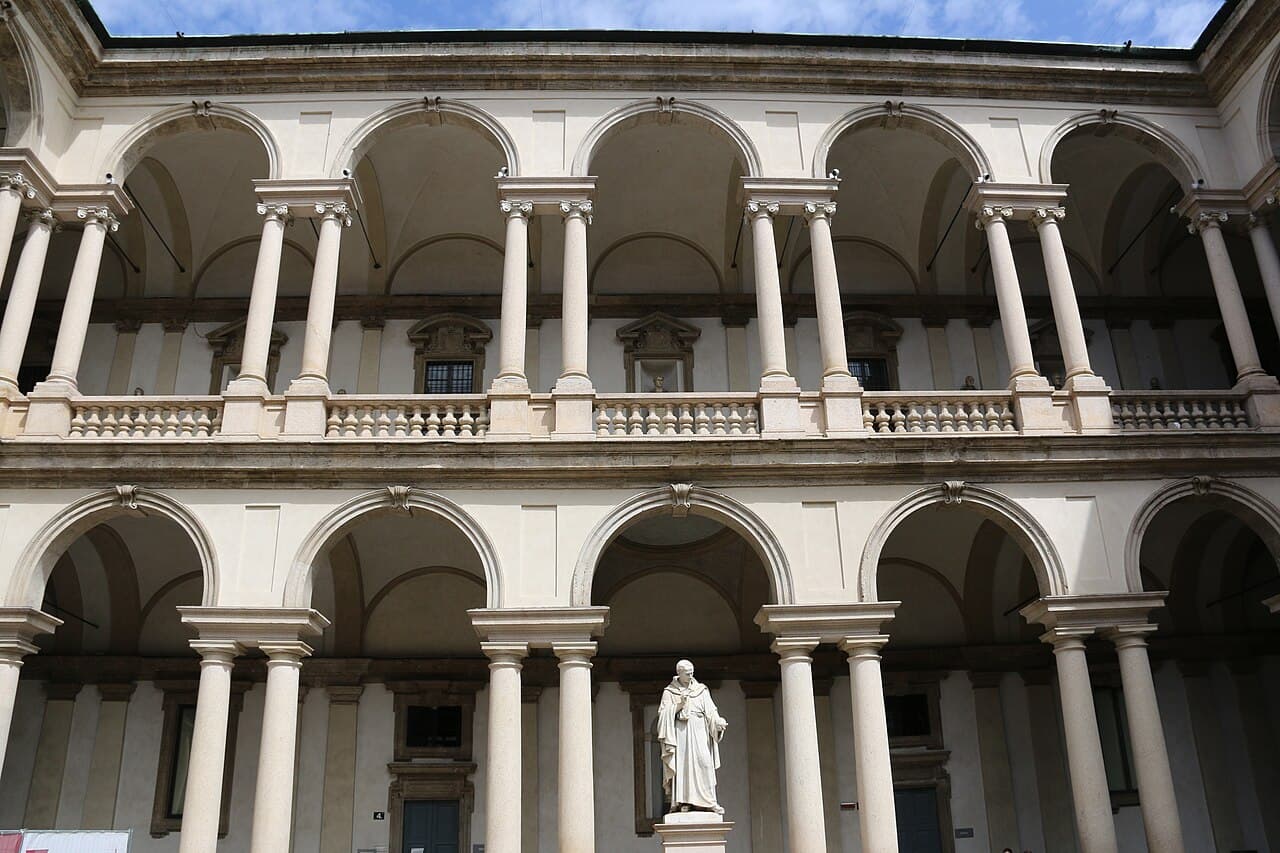
Plan Milan by clustering nearby places and giving booked interiors control of the day. The historic centre, Brera, Navigli and the newer northern districts reward different routes, so pick one anchor before adding optional stops.
These are planning suggestions. Check official museum, church, theatre and transport information for the travel date.
Put any timed museum, Last Supper or theatre booking on the map before filling the surrounding hours. A central-looking day can still fail when entry slots, church access and journeys across the inner city pull in different directions.
AI-assisted destination research by Top10 Milan Editorial. Suggested plans are editorial choices; sources and their scope appear below.
01
Choose an art period
Start with the art-museum comparison: Brera, Museo del Novecento and Gallerie d'Italia answer different questions. One substantial collection usually gives more than a rushed chain of galleries.
Check current displays, including the Grande Brera relationship with Palazzo Citterio.
- Choose by collection, not fame.
- Book only through official channels.
- Milan Art Museums: Choose by Collection
Compare Brera, Museo del Novecento and Gallerie d’Italia by period, display style and the kind of art day you want.
02
Make design a separate lens
Triennale and ADI tell different design stories. The design-museum guide compares a broad cultural institution with a collection shaped by the Compasso d'Oro award.
Temporary programming can change the balance, so confirm the current exhibition before crossing the city.
- Pick institution or award history.
- Avoid assuming every gallery is permanent.
- Milan Design Museums: Triennale or ADI?
Choose between Triennale’s Italian design story and ADI’s Compasso d’Oro archive, with a practical framework for planning both.
03
Give churches their own time
Sant'Ambrogio and San Maurizio offer different architectural and artistic histories beyond the Duomo. The churches guide explains how to visit without treating active religious spaces as museum rooms.
Pair one church with a nearby secular site.
- Respect worship and closures.
- Check current access directly.
- Two Historic Milan Churches Beyond the Duomo
Read Sant’Ambrogio and Sant’Eustorgio through architecture, archaeology, chapels, and worship, with a respectful visit plan.
04
Choose a museum that fits the child
MUBA and the science museum require different attention, booking and participation. The family guide starts with age, format and recovery time rather than adult prestige.
Keep one substantial indoor anchor and room for food or a park.
- Confirm age guidance.
- Let the day shrink without failure.
- Milan with Children: Choosing a Museum
Match MUBA, Triennale, and Brera to your child’s age, energy, and preferred way of exploring, then verify the live programme.
05
Read canals and reused buildings
The Navigli feature explains the canal system as infrastructure before nightlife. The architecture feature then compares old fabric and adaptive reuse across the wider city.
Use each as a lens for a district walk rather than a fixed itinerary.
- Walk one coherent district.
- Notice what a reuse project retained.
- How the Navigli Shaped Milan
Follow Milan’s canals from regional connection and freight to locks, buried waterways, surviving banks, and the city’s present relationship with water.
- Milan Architecture: Old Fabric, New Uses
See how Triennale, Fondazione Prada, HangarBicocca, and Bosco Verticale express four different relationships between architecture and change.
06
Connect collections with performance history
La Scala's history extends beyond an evening ticket, while Castello Sforzesco contains several collections inside a former fortress and court. The two features help choose between performance history and a multi-collection complex.
Confirm current tours, performances and room access independently.
- Do not assume an exterior visit includes an interior.
- Choose one castle collection before arrival.
- La Scala Beyond the Performance
Understand La Scala through its theatre, museum, backstage workshops, and official digital routes—even when you are not attending a performance.
- Inside Castello Sforzesco’s Collections
Understand the castle as a museum system spanning sculpture, painting, applied arts, coins, and architecture, then choose a coherent route.
Before you decide
Planning questions
What belongs on a Milan itinerary first?
Place any confirmed museum, Last Supper or theatre booking on the map before filling the surrounding hours. Then choose nearby optional stops and check religious-site access separately. Let actual entry conditions determine the route through the city.
Sources: Pinacoteca di Brera; Basilica di Sant’AmbrogioHow should I choose an art museum in Milan?
Use the collection comparison to choose a period or question before looking at prestige. Brera, Museo del Novecento and Gallerie d’Italia offer different starting points. Verify current displays at the chosen institution before committing a large part of the day.
Sources: Pinacoteca di BreraShould a Milan family museum visit follow an adult art itinerary?
Choose the child’s activity format first. Read the family guide for the differences between MUBA and the science museum, confirm booking and participation conditions, and leave recovery time before adding an adult-focused collection or church interior.
Sources: MUBA Museo dei Bambini MilanoCheck the details
Sources for your plan
Use the linked operators and institutions to check current arrangements. Each reference states the limited points it supports.
- Pinacoteca di Brera ↗Pinacoteca di Brera · Research date 2026-09-14
Official institutional history, academy origins, Palazzo Citterio expansion, restoration laboratory, visit links, and app information.
- Museo del Design Italiano 2025 ↗Triennale Milano · Research date 2026-09-14
The 2025 display description, approximate object count, chronological span, five thematic sections, and accessibility-oriented design.
- History ↗Basilica di Sant’Ambrogio · Research date 2026-09-14
Foundation under Ambrose, martyr and burial history, Romanesque rebuilding, later interventions, wartime damage, and restoration.
- Welcome to MUBA ↗MUBA Museo dei Bambini Milano · Research date 2026-09-14
Institutional family focus, current programme links, address, and organizational context.
- Piano Territoriale Regionale d’Area Navigli Lombardi ↗Regione Lombardia · Research date 2026-09-14
Regional planning frame, canal territories, municipalities along the Naviglio Grande, and landscape-system context.
- Mission and history ↗Triennale Milano · Research date 2026-09-14
1923 origins, 1933 move, Giovanni Muzio’s modular Palazzo dell’Arte, rationalist character, and institutional relationship among art, industry, and society.
- History timeline ↗Teatro alla Scala · Research date 2026-09-14
1776 fire, Piermarini design, 1778 opening, major artistic milestones, institutional reform, restoration, and modern production history.
- The history of the castle ↗Castello Sforzesco, Comune di Milano · Research date 2026-09-14
Visconti fortress, Ambrosian demolition, Sforza court, foreign barracks use, Beltrami restoration, and museum conversion.